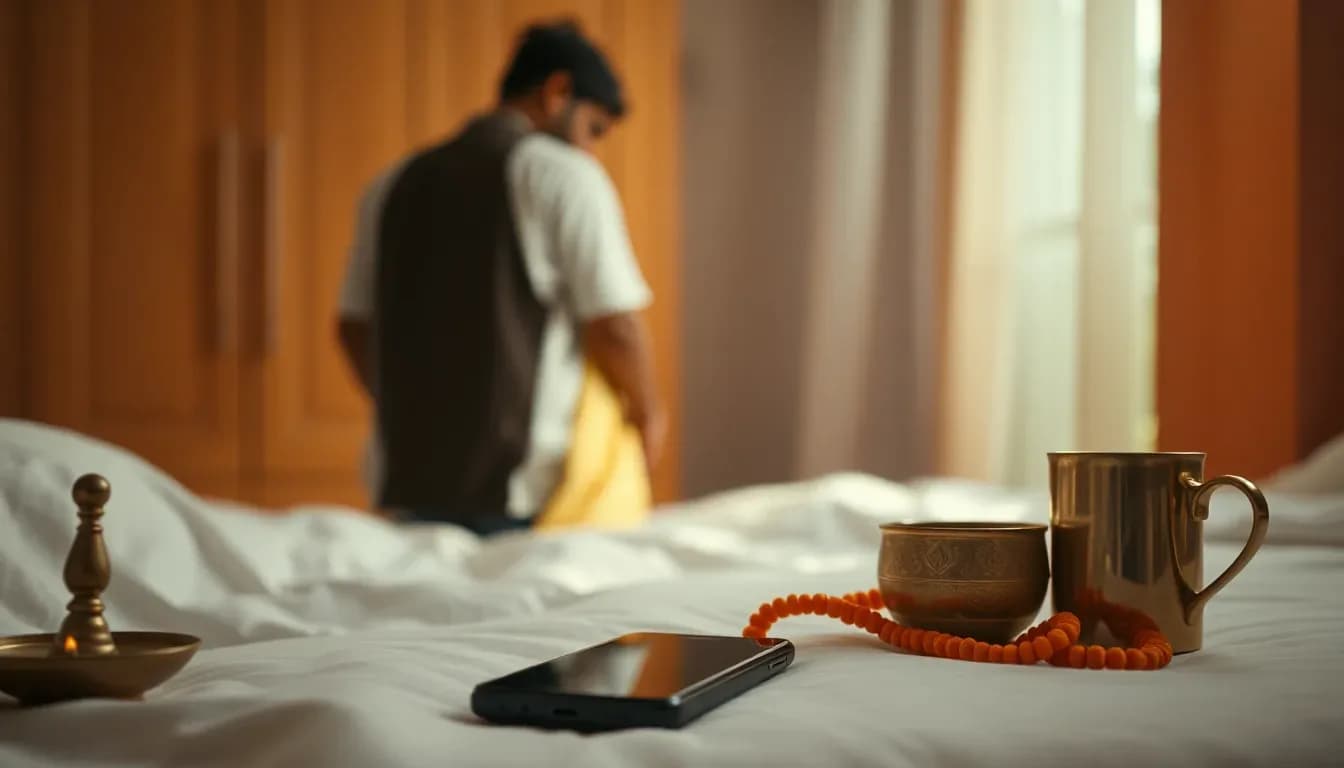
D/s culture in India, the world of dominant and submissive dynamics, is quietly but unmistakably growing. It is moving out of total invisibility into something with shape: private munches in metro cities, online communities, kink-aware therapists, and a younger generation that talks about consent and boundaries without flinching. What has not kept pace is safe, trustworthy infrastructure, vetted spaces, real-world events, and platforms built for Indian realities rather than borrowed from the West. This is an honest look at where D/s culture in India actually stands, and the gap that still needs filling.

What D/s culture actually means
D/s stands for Dominance and submission: a consensual dynamic where one partner takes a leading role and the other willingly yields it, for a scene or as an ongoing arrangement. It is one strand of the broader BDSM umbrella, and it is far more about trust, communication, and agreed power exchange than about whips and leather, which is the cartoon most people carry.
The central, non-negotiable idea is that the power is given, not taken. A submissive chooses to submit; that choice is the source of the dynamic's meaning, and it can be withdrawn at any moment. This is the opposite of coercion, and it is worth stating plainly because the most common misconception, especially in India, is that submission means powerlessness. In a healthy D/s relationship, the submissive often holds the most control, because the entire structure exists for their consent.
None of this is rare or deviant. Surveys of sexual fantasy consistently find that interest in power dynamics is one of the most common things people fantasise about. The Indian difference has never been that fewer people feel this pull; it is that fewer have had anywhere safe to explore it.
Where it's actually progressing in India
The shift over the last few years is real, and it is documented. Mainstream Indian publications now cover kink as culture rather than scandal: Cosmopolitan India ran a 2025 feature on how India's kink communities are redefining curiosity, consent, and connection, and The Established argued that kink in India is about agency, not shock value. That framing, agency, would have been unthinkable in a glossy a decade ago.
On the ground, the movement is city-based and quiet by design. Most metros now have informal kink communities that organise "munches", which are low-key social meetups, often in a cafe, with no play and no pressure, where people talk, vet each other, and build trust before anything else. The Wire's reporting on India's kinky networks describes exactly this: a careful, consent-first subculture that screens hard for safety. There have even been kink-focused conventions and an erotic film festival with a kink line-up now several editions deep.
The driver underneath is generational. The under-35 crowd grew up with sex-positive content, therapy vocabulary, and the language of boundaries and consent. They are, as one report put it, the first Indian generation able to ask for what they want without automatically attaching shame to it. That is the cultural engine, and it is not reversing.

The gap nobody has filled
Here is the honest part. Growing interest has badly outrun safe infrastructure, and the gap is where most of the risk lives.
First, safety and vetting. The munch model works because humans screen humans, but it does not scale, and newcomers often have no safe on-ramp. The alternative, large international platforms, are not built for Indian privacy realities: discretion in a joint-family phone, the fear of exposure, the absence of any local accountability if something goes wrong.
Second, support. Kink-aware, non-judgmental therapists exist in India but are scarce and concentrated in a few cities. A person processing a D/s dynamic, or recovering from a bad experience, often has nowhere informed to turn.
Third, real-world spaces. Safe, organised, consent-first events are still rare, dependent on a handful of volunteer organisers, and hard to find unless you are already inside a network. For most curious adults, the door is simply invisible.
This is a gap of trust and safety, not of desire. The desire is clearly there. What is missing is somewhere built for it that an ordinary Indian adult can actually trust.
The safety foundation, which never changes
Whatever the culture does next, the floor stays the same, and any honest article on D/s has to say it directly. Three things are non-negotiable.
Consent comes first and is ongoing. Every dynamic is negotiated in plain words before it begins, and either partner can stop it at any moment, no justification owed. If anyone is pressured, it is not D/s, it is abuse wearing its clothes.
A safeword is the instant brake. Partners agree one word, often the universal "red", that stops everything the moment it is said. It exists precisely so that play can go deep while staying safe.
Aftercare closes the loop. The intensity of a scene is followed by a comedown, and the minutes of water, warmth, reassurance, and a quiet check-in afterward are where trust is actually built. Beginners skip it; experienced couples never do.
And start small. Nobody should begin with heavy impact, restraint, or intense power exchange. Learn, talk, and build slowly. The culture's own first rule is that none of this can ever be used to genuinely exploit a partner.
What Tantrix AI is building to fill the gap
This is where Tantrix AI is heading, and it is worth being precise about timelines so nobody signs up expecting something that is not here yet. Tantrix is building a private community for adults inside its app: a space to talk about intimacy, D/s included, with other adults who get it, without the exposure of public social media or the policy flags that come with it. It is on the roadmap, coming later in 2026, not live today.
Alongside it, two more pieces are coming. A creator platform, where independent, consent-first creators can share knowledge and experiences with a vetted audience, addressing exactly the education-and-trust gap above. And a dedicated events page, where Tantrix plans to collaborate with and sponsor established, safety-first intimacy and kink-positive event organisers, so that finding a real, well-run, consent-first event stops depending on already knowing the right people. These are being built deliberately, with safety as the design constraint, and they are coming, not available now.
The one piece that is live today is Tantrix's core technology: the two-way sync between an AI companion and a connected device, where conversation shapes what the device does in real time. For a D/s dynamic built on handing over control, that is a natural fit, and the Tantrix Moh, an app-controlled device, suits exactly the kind of consensual control-exchange D/s couples explore. The community, creator platform, and events are the roadmap; the technology underneath is already real.
If you want to follow what is coming, the Tantrix app is where these pieces will live as they launch.
Frequently asked questions
What does D/s mean? D/s stands for Dominance and submission, a consensual dynamic where one partner leads and the other willingly yields, for a scene or as an ongoing arrangement. The power is given, not taken, and consent can be withdrawn at any time.
Is the BDSM and kink community growing in India? Yes. Metro cities now have informal kink communities running consent-first munches, mainstream Indian media covers kink as culture, and a younger, sex-positive generation is exploring it more openly. Safe infrastructure, though, still lags behind the interest.
Is D/s safe? It is safe when built on negotiated consent, a safeword that stops everything instantly, aftercare, and a start-small approach. Without consent it is not D/s, it is abuse. The safety framework is what makes the dynamic work.
Does Tantrix have a community or events for this yet? Not yet. The private adult community, creator platform, and events page are on Tantrix's roadmap for later in 2026, not live today. The two-way AI-device sync technology is the part that is already available.
D/s culture in India is past the point of pretending it does not exist. What it needs now is not more permission but better, safer places to land, and that is the gap worth building for.
Want to explore more?
The Indian Kink Shame Problem (And How to Get Past It) →
What Does 'Dominant' Mean in BDSM? Power, Trust, Communication →